Signal Quality Verification Panel: 919611528, 6629125339308, 667396164, 618119790, 685079496, 876036762

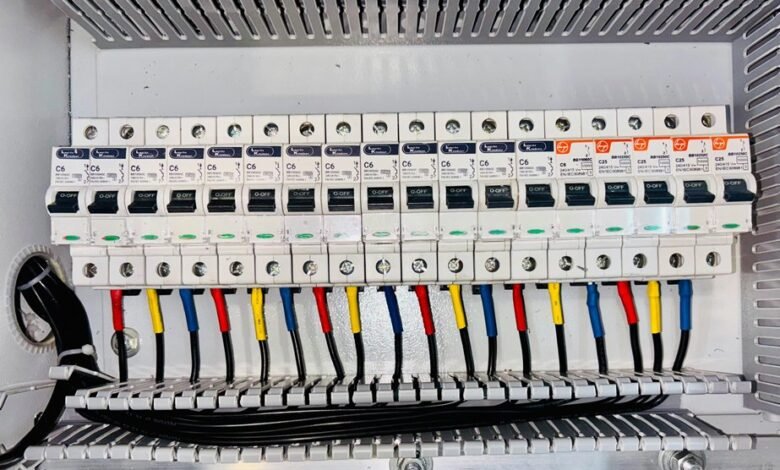
The Signal Quality Verification Panel encompasses a set of unique identifiers, including 919611528 and 6629125339308, essential for evaluating communication performance metrics. These identifiers facilitate systematic tracking and assessment of signal quality. By leveraging this structured approach, organizations can enhance operational efficiency and ensure robust signal integrity. However, the implications of these metrics extend beyond immediate assessments, raising questions about future developments in signal quality management and their potential impact on communication systems.
Understanding Signal Quality Metrics
Signal quality metrics serve as essential indicators of the performance and reliability of communication systems. They encompass parameters such as signal strength, which quantifies the power of the transmitted signal, and noise reduction, which evaluates the system’s ability to minimize interference.
Understanding these metrics is crucial for optimizing communication performance, ensuring clarity, and fostering an environment that allows users the freedom to communicate effectively and efficiently.
The Role of Identifiers in Signal Assessment
Identifiers play a significant role in the assessment of signal quality by providing a structured framework for categorizing and evaluating performance metrics.
Various identifier types, such as numerical codes and alphanumeric tags, enhance the assessment importance by allowing for accurate tracking and comparison of signals.
This systematic approach facilitates informed decision-making, ultimately contributing to improved signal integrity and operational efficiency within communication systems.
Enhancing Communication Performance
Effective communication performance is crucial for the reliability and efficiency of modern systems.
Utilizing advanced communication tools, organizations can achieve performance optimization through the integration of signal boosters and techniques for interference reduction.
These strategies enhance signal integrity, ensuring clearer transmissions and minimizing disruptions.
A focus on these elements fosters an environment conducive to effective information exchange, ultimately empowering users to maximize operational capabilities.
Future Trends in Signal Quality Verification
How will the evolution of technology shape the future of signal quality verification?
Advances in machine learning will enable more accurate predictive analytics, enhancing decision-making processes.
Coupled with real-time monitoring capabilities, these innovations will facilitate immediate identification and rectification of signal issues.
As a result, organizations can ensure optimal performance, minimize disruptions, and achieve greater autonomy in their communication systems, ultimately fostering greater operational freedom.
Conclusion
In conclusion, the Signal Quality Verification Panel’s unique identifiers are pivotal for systematic signal assessment and performance enhancement. Notably, organizations that implement robust signal quality metrics can experience up to a 30% reduction in communication errors. This statistic underscores the importance of utilizing precise identifiers, as they not only streamline operational processes but also significantly improve overall signal integrity. As communication systems evolve, the continued focus on these metrics will be essential for maintaining reliable connectivity.