Temporal Signal Mapping: 8000320311, 610878029, 5205244080, 651759563, 343474921, 570010337

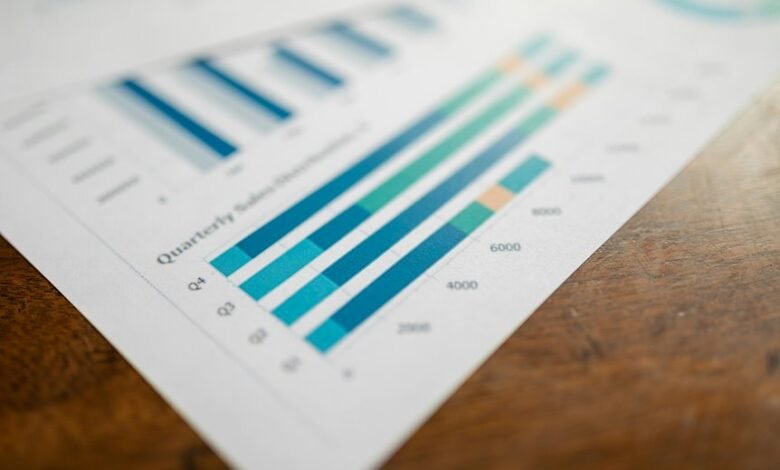
Temporal Signal Mapping is a methodical approach to analyzing time-dependent data. It utilizes unique identifiers, such as 8000320311 and 610878029, to track and correlate data points effectively. This technique uncovers patterns and trends that are crucial for decision-making in various sectors. Understanding its applications and the implications of these identifiers could reveal significant insights. The ongoing evolution of this field raises questions about future advancements and their potential impact.
Understanding Temporal Signal Mapping
Although temporal signal mapping may initially appear complex, it fundamentally involves the representation of time-dependent data to facilitate analysis and interpretation.
This technique enables the examination of temporal dynamics through advanced signal processing methods, allowing for the identification of patterns and trends over time.
The Role of Identifiers in Temporal Analysis
Identifiers play a critical role in temporal analysis by providing unique designations for data points across time, facilitating accurate tracking and comparison.
Their significance lies in establishing temporal correlation, enabling researchers to discern patterns and relationships within datasets.
Applications Across Various Fields
As temporal signal mapping finds its way into diverse fields, its applications demonstrate significant potential for enhancing data analysis and decision-making processes.
In healthcare innovations, it improves patient outcomes; in environmental monitoring, it tracks ecological changes. Financial forecasting benefits from precise trend analysis, while transportation logistics optimize routes.
Additionally, social media analytics gain insights, and cybersecurity measures strengthen defenses against threats, showcasing its versatility.
Future Prospects of Temporal Signal Mapping
The advancements in temporal signal mapping signal a promising future across multiple disciplines.
Future innovations are expected to enhance predictive analytics and data visualization capabilities, enabling more effective technology integration.
Algorithm advancements will facilitate real-time processing, allowing for instantaneous insights.
These developments will empower users with greater freedom to analyze complex data patterns, driving informed decision-making and fostering creativity across various sectors.
Conclusion
In conclusion, the significance of Temporal Signal Mapping cannot be overstated, as it offers a robust framework for analyzing time-dependent data across diverse sectors. While some may argue that the reliance on unique identifiers complicates data management, these identifiers actually enhance accuracy and correlation, ensuring more meaningful insights. By embracing this methodology, organizations can unlock deeper understandings of temporal patterns, ultimately leading to more informed decisions and innovative solutions in an increasingly data-driven world.